If you’ve been hearing about the New World screwworm showing up in Texas, you’re not alone. The name sounds alarming, but the story behind it is actually one of science, prevention, and quick action. In this post, we’ll look at what the screwworm really is, why it matters, and how the U.S. is using a proven method — including the release of sterile flies — to stop it before it spreads.
New World Screwworm in the U.S.: What’s Happening Now & How Prevention Works:
The New World screwworm (NWS)—a flesh‑eating parasitic fly once eradicated from the United States—has re‑emerged at the southern border for the first time in decades. In June 2026, the U.S. Department of Agriculture (USDA) confirmed a case in a 3‑week‑old calf in Zavala County, Texas, prompting an immediate national response.
While the detection is serious, the U.S. has a proven, science‑based strategy to stop this pest: mass release of sterile male flies. This method successfully eradicated screwworm from the U.S. in 1966, and it remains the backbone of today’s prevention program.
___________________
What Is the New World Screwworm?
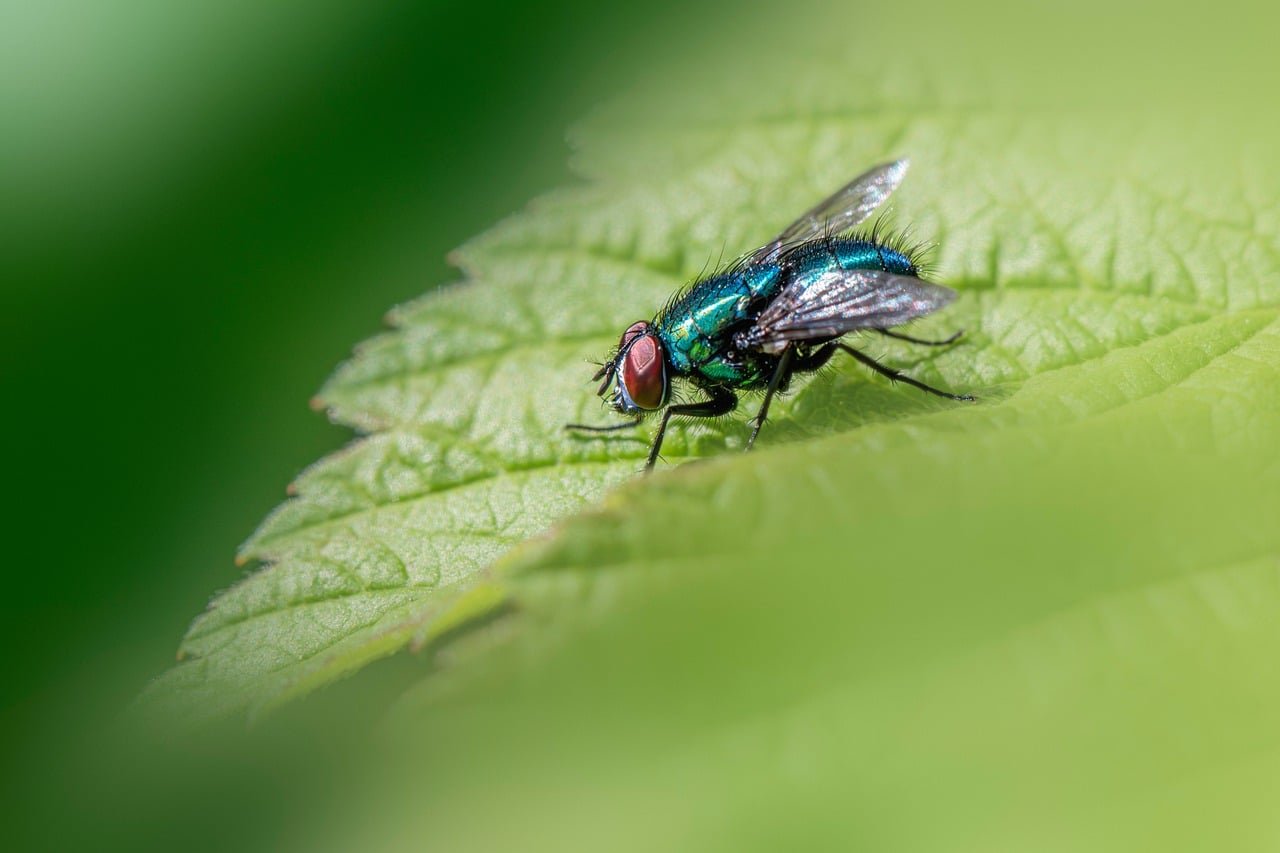
The New World screwworm fly (Cochliomyia hominivorax) lays eggs in open wounds or natural body openings of warm‑blooded animals. When the eggs hatch, the larvae burrow into living flesh, causing severe tissue damage and often death if untreated. Livestock, wildlife, pets, and occasionally humans can be affected.
Why the 2026 Detection Matters:
Although the U.S. has been screwworm‑free for decades, outbreaks have been spreading northward through Central America and Mexico since 2023. By June 2026, Mexico had reported more than 171,700 animal cases and over 2,070 human cases.
The Texas detection triggered an immediate federal and state response to prevent the pest from establishing itself.
How the U.S. Is Preventing the Spread:
1. Massive Release of Sterile Male Flies.
This is the cornerstone of screwworm control.
How it works:
Male screwworm flies are sterilized using radiation.
They are released into the environment by the millions.
Female screwworms mate only once in their lifetime.
When they mate with sterile males, their eggs do not hatch.
Over time, the wild population collapses.
Current release levels:
100 million sterile flies per week are being released across the U.S.–Mexico border region.
In Texas specifically, USDA is releasing:
4 million sterile flies on the ground, and
4 million sterile flies aerially near the detection site.
New U.S. sterile‑fly facilitiesL
To strengthen long‑term prevention:
A new Domestic Sterile Fly Production Facility opened in Edinburg, Texas in February 2026.
USDA is building a $750 million fly‑breeding factory in Texas (completion expected in late 2027).
Production capacity is being expanded to 500 million sterile flies per week, matching the output used to eradicate screwworm decades ago.
2. Quarantine & Movement Controls:
A 20‑mile infested zone has been established around the Texas detection site. No warm‑blooded animals may leave the zone without inspection by animal‑health officials.
USDA and Texas authorities have also implemented:
Movement restrictions
Increased surveillance
Wildlife monitoring
Ground and aerial trapping programs
3. Border Surveillance & Buffer Zones:
Because the outbreak in Mexico continues to move north:
Sterile fly releases have been shifted deeper into Texas to create a protective buffer.
Surveillance along the border has been intensified.
Ports of entry for livestock from Mexico remain closed due to ongoing detections.
4. Public & Veterinary Reporting Systems:
USDA urges:
Veterinarians to report suspicious wounds or maggot infestations immediately.
Wildlife professionals and the public near the border to report cases to 866‑4USDA‑WS
___________________
Is There a Risk to People?
Human cases are extremely rare in the U.S. The only recent U.S. case was in 2025 in a traveler returning from El Salvador, and it did not spread.
CDC confirms:
No current NWS presence in the U.S.
No immediate risk to the general public.
___________________
Why the Sterile Fly Method Works:
The sterile insect technique (SIT) is one of the greatest success stories in pest eradication. It is:
Species‑specific
Non‑toxic
Environmentally safe
Highly effective when applied at scale
The U.S. eradicated screwworm once using SIT—and the same strategy is being deployed aggressively today.
___________________
Conclusion:
The reappearance of New World screwworm in Texas is a serious development, but the U.S. response has been swift, coordinated, and backed by decades of proven success. With millions of sterile flies being released weekly, new production facilities coming online, and strict surveillance at the border, the U.S. is working to ensure this parasite does not regain a foothold.