If there’s one thing Pennsylvania summers guarantee, it’s bugs — and somehow I always seem to attract the hungriest mosquitoes in the entire state. The fleas and ticks in the yard act like they’re waiting for me to step outside, and every time I find a tick I wonder where the possums are hiding. They’re nature’s number‑one tick killers, yet never around when you need them. Staying bite‑free here takes a little strategy, but the good news is there are natural options and proven protections that actually work.
———————————-
Do you ever wonder what makes you so attractive to insects?
Pennsylvania’s woods, fields, and backyards are beautiful — but they’re also prime territory for mosquitoes, fleas, and ticks. Whether you’re hiking the Laurel Highlands, exploring state parks, or working in your garden, staying protected is essential. This guide covers natural options, conventional repellents, Skin‑So‑Soft facts, and smart hiking habits that actually work.
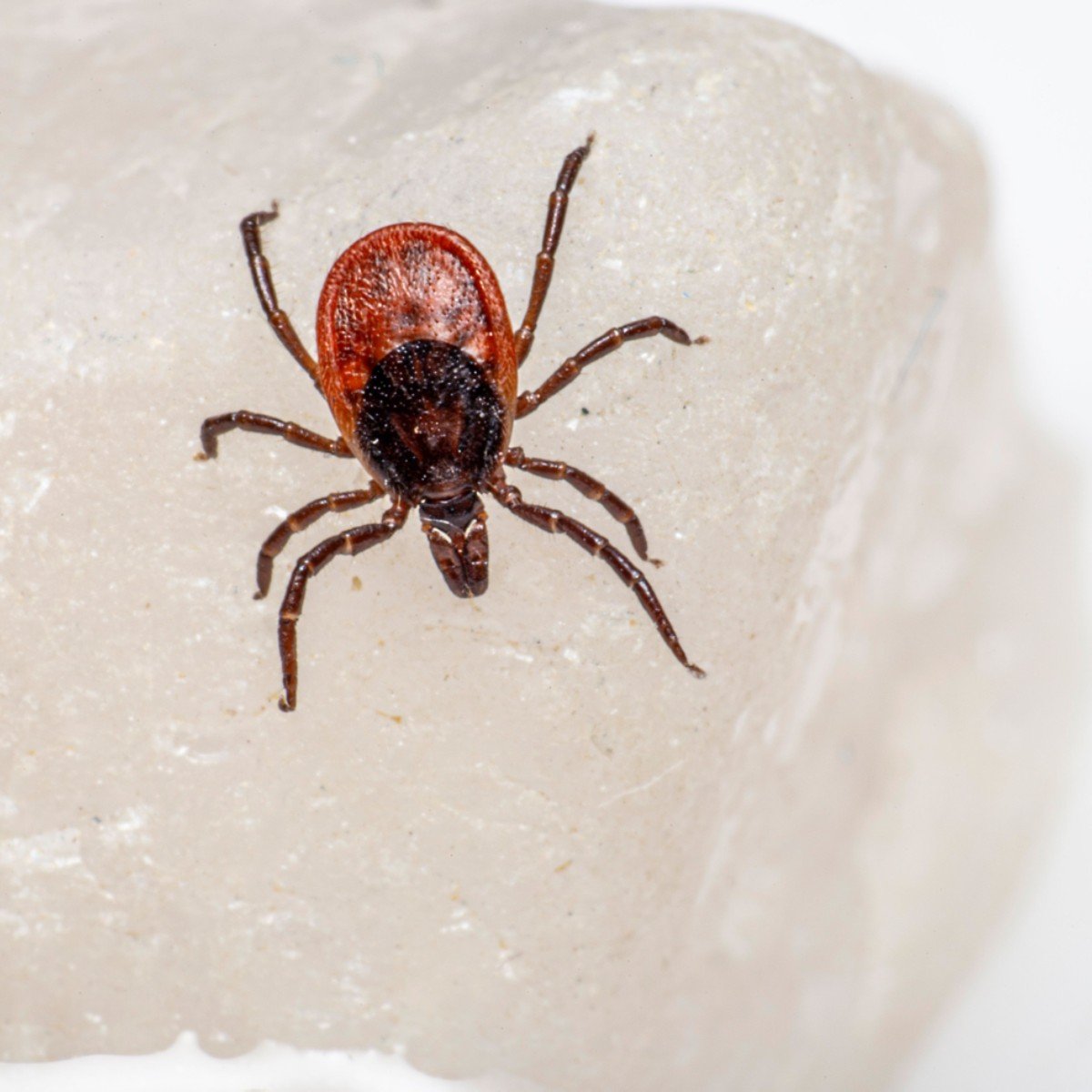
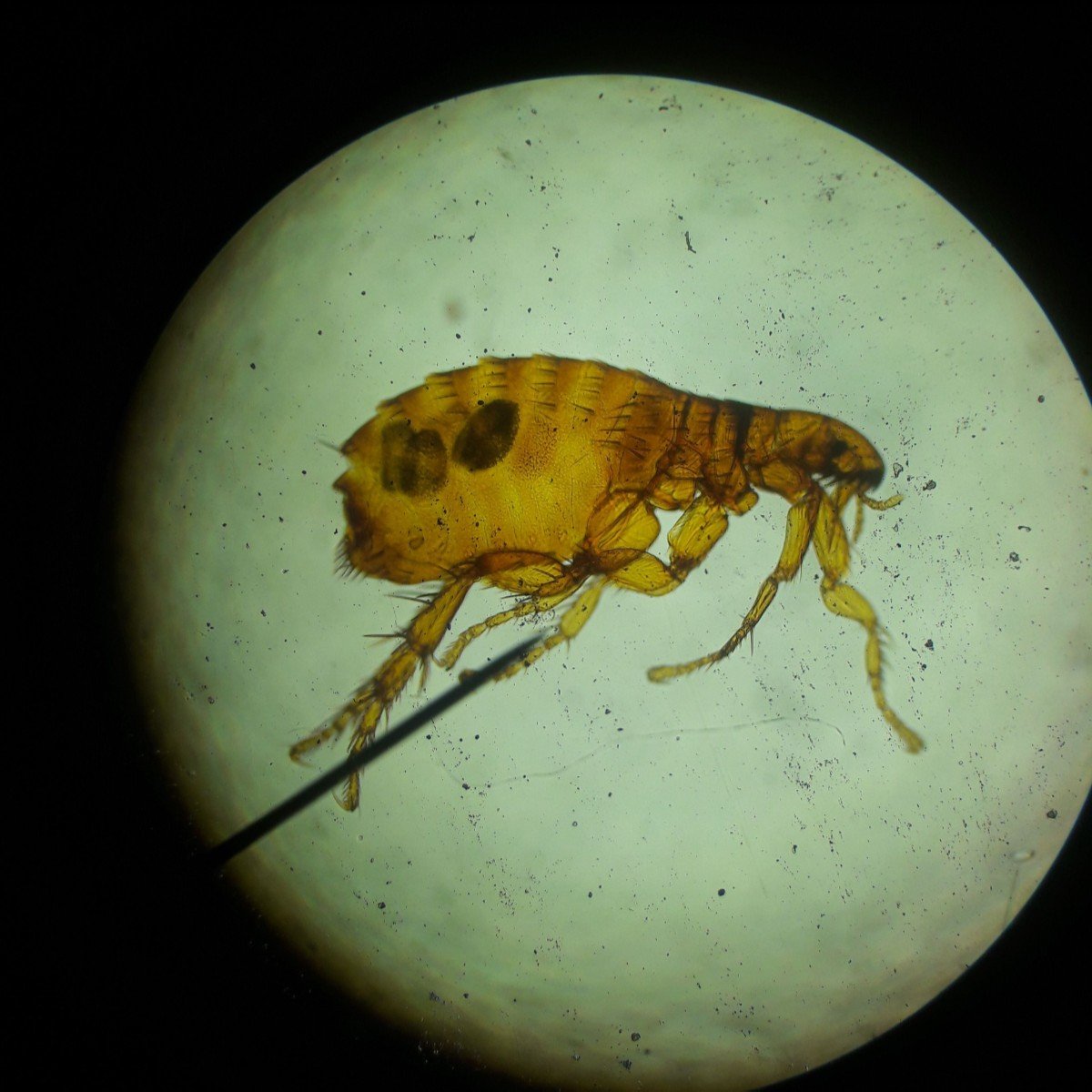
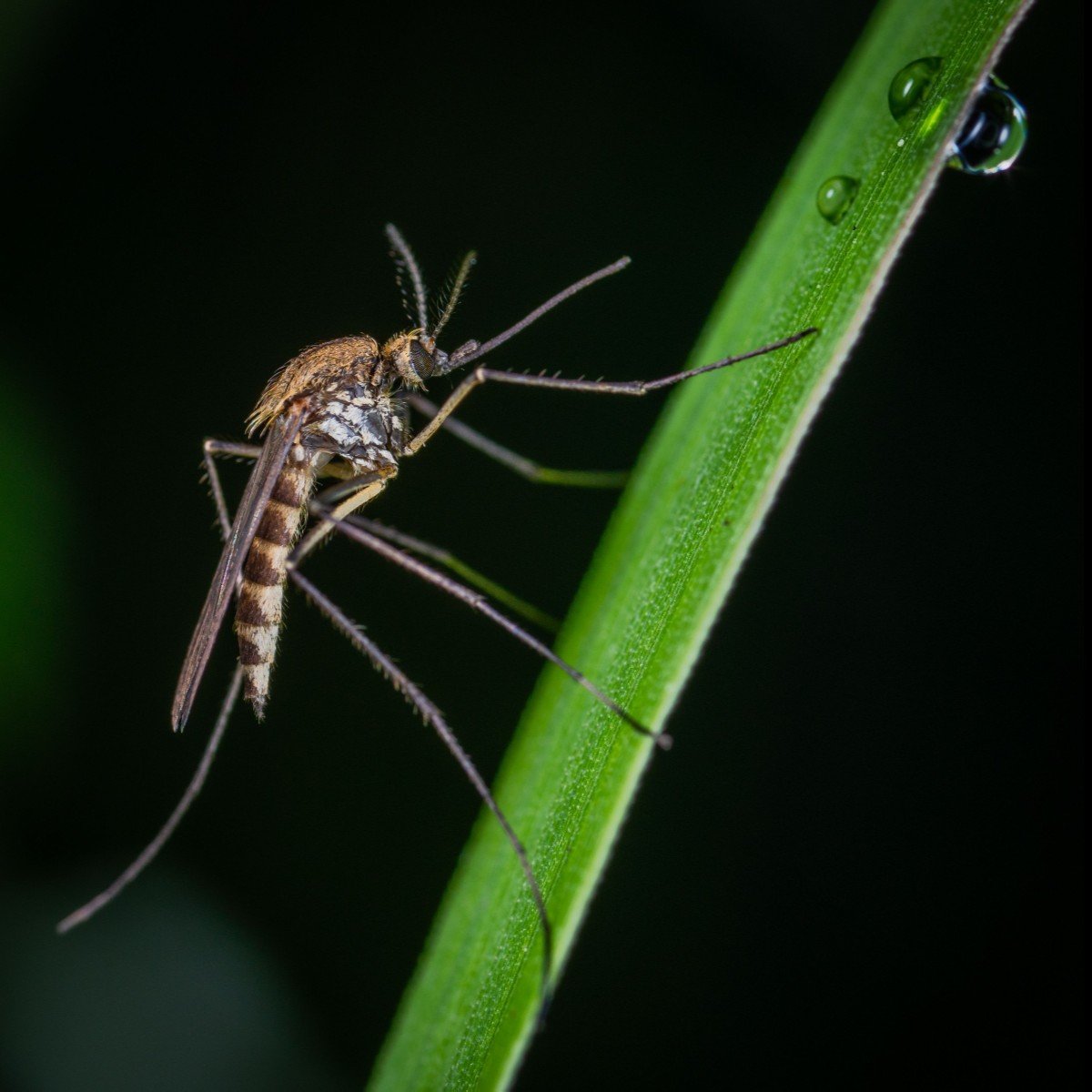
Do you ever wonder what makes you so attractive to insects?
Why Mosquitoes & Ticks Find You:
Mosquitoes and ticks are attracted to:
Carbon dioxide from breathing
Body heat and moisture
Scents from deodorants, perfumes, lotions, and hair products
Ticks also use a sensory organ on their front legs (the Haller’s organ) to detect movement, scent, and heat. Repellents work by disrupting these signals so you’re harder to detect.
———————————-
Essential Oils: What Helps & What Doesn’t:
Oil of Lemon Eucalyptus (OLE / PMD):
This is the only plant‑based ingredient registered by the EPA for mosquito and tick protection.
30% OLE provides 2–5 hours of protection
Look for labels that say Oil of Lemon Eucalyptus or PMD
Not the same as regular lemon eucalyptus essential oil
Other Essential Oils:
Citronella, lavender, peppermint, and geranium oils may help with mosquitoes but:
Protection is short‑lived
They are not reliable for ticks or fleas
Best used as supplements, not your main defense
If you prefer natural options, OLE is the only one with strong evidence behind it.
———————————-
Conventional Repellents: Most Effective Options:
DEET:
The long‑time gold standard.
20–30% DEET = 5–8 hours of protection
Safe when used correctly
Excellent for both mosquitoes and ticks
Picaridin:
A newer favorite — odorless and gear‑safe.
20% picaridin = 7–8 hours of protection
Doesn’t damage plastics or clothing
Found in Avon Skin‑So‑Soft Bug Guard Picaridin
IR3535:
Good for mosquitoes
Moderate protection for ticks
Permethrin (for clothing only):
This is one of the best defenses against ticks.
Apply to clothing, boots, socks, backpacks
Kills ticks on contact
Lasts through multiple washes
Treated shoes and socks reduce tick bites dramatically
Avon Skin‑So‑Soft: Myth vs Reality:
There are two very different Skin‑So‑Soft products:
Original Skin‑So‑Soft Bath Oil:
Mild mosquito deterrent
Not effective for ticks
Not EPA‑registered
Skin‑So‑Soft Bug Guard (Picaridin or IR3535):
This is the one that actually works.
EPA‑registered
20% picaridin version provides up to 8 hours of protection
If you want Skin‑So‑Soft for hiking, choose Bug Guard, not the bath oil.
Smart Hiking Habits for Pennsylvania Trails:
1. Scent Control
Mosquitoes and ticks are drawn to scented products.
Use unscented deodorant
Avoid perfumes, scented lotions, and strong hair products
2. Clothing Barriers
Ticks climb upward, so block their entry points.
Wear long pants and long sleeves
Choose light‑colored clothing to spot ticks easier
Tape the bottom of your pant legs or tuck pants into socks
Wear high socks and closed‑toe shoes
3. Treat Your Gear
Use permethrin on pants, socks, boots, and backpacks
Combine permethrin clothing with picaridin or DEET on skin for best results
4. Trail Behavior
Stay in the center of trails
Avoid brushing against tall grass or leaf litter
Do tick checks every 30–60 minutes
Yard & Home Prevention:
Keeping your outdoor space tidy reduces insect activity.
Remove standing water (mosquito breeding)
Keep grass trimmed
Create a gravel or woodchip barrier between lawn and woods
Keep firewood stacked neatly and away from the house
Pets: Flea & Tick Safety:
Essential oils can be dangerous for pets. Instead, use:
Vet‑approved flea/tick preventatives
Tick collars
Monthly treatments
Humans should use DEET or picaridin; pets should use veterinary products only.
Quick Checklist for Pennsylvania Outdoors:
Unscented deodorant
No perfumes or scented lotions
DEET, picaridin, or OLE for skin
Permethrin-treated clothing
Tape pant cuffs or tuck into socks
Stay centered on trails
Frequent tick checks
Shower within 2 hours of returning home
Quick Takeaway:
The most reliable protection in Pennsylvania’s woods is a layered approach: EPA‑registered repellents on skin, permethrin on clothing, smart scent control, and physical barriers like taped pant cuffs. Essential oils can help, but only a few have proven protection and they must be used correctly.