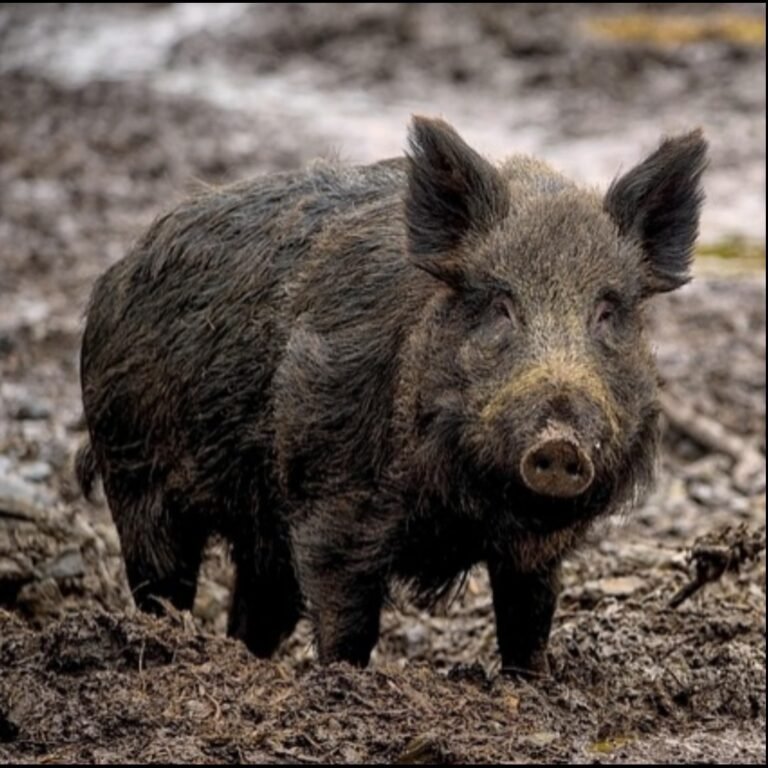
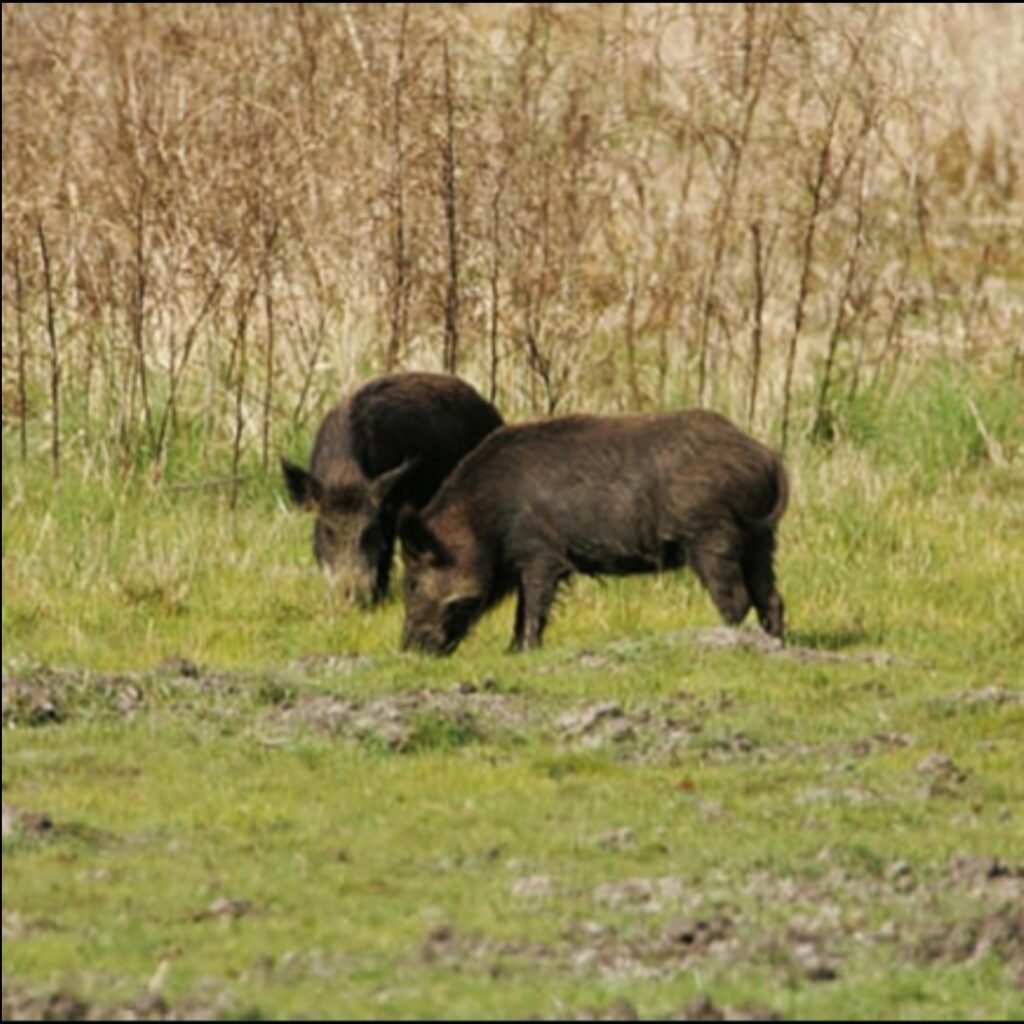
What Exactly Are Feral Hogs?
Feral hogs aren’t your neighbor’s escaped pot‑bellied pig. They’re a mix of wild boar and domestic hogs that have gone completely wild. They can weigh 100+ pounds, run faster than you’d expect, and carry sharp tusks that can do serious damage.
They’re also incredibly smart — and incredibly destructive. A single group can tear up fields, gardens, and forest floors overnight, leaving behind what looks like a rototiller gone rogue.
Currently the only known areas of a confirmed breeding population are, Bedford and Fulton counties. But there are about 23 other counties that have reported sightings.
Why They’re a Problem in Pennsylvania:
Pennsylvania isn’t the first state to deal with feral hogs, but the concern is growing. They:
Destroy crops and pastureland
Rip up forest habitat used by deer, turkey, and small mammals
Spread disease to livestock and wildlife
Reproduce quickly — a sow can have multiple litters a year
Can be aggressive if cornered
They’re not native here, and they don’t fit into our ecosystem. Once they get established, they’re extremely hard to remove.
Now the State of Pennsylvania is openly warning people, which tells you just how real the issue has become.
What To Do If You See One:
The Pennsylvania Fish & Boat Commission recommends:
Do NOT approach a feral hog
Take a photo only if it’s safe
Report sightings to conservation officers
Call 1‑855‑FISH‑BOAT (347‑4268)
Or visit fishandboat.com to report invasive species
- or contact the PA Game Commission 1‑833‑PGC-HUNT
Even if you’re not sure, it’s better to report it. These sightings help wildlife officials track where the animals are spreading.
Why This Matters for Rural Pennsylvania:
Pennsylvania’s rural communities rely on healthy land — for farming, hunting, gardening, and simply enjoying the outdoors. Feral hogs threaten all of that.
They’re not a curiosity. They’re not a novelty. They’re a genuine ecological problem.
If you’ve lived in Pennsylvania long enough, you know our wildlife stories are never boring. From coyotes to bobcats to the occasional wandering black bear, we’re used to surprises.
But feral hogs? They’re a different kind of challenge — one we can’t ignore.
Can You Hunt Feral Hogs in Pennsylvania? What the Law Really Says:
With feral hog sightings popping up on social media — including that recent Pennsylvania Fish & Boat Commission warning — a lot of people are suddenly asking the same questions:
Can you shoot them? Is there a season? Do you have to report it? Can you keep the meat?
The short answer: Yes, you can legally take feral hogs in Pennsylvania — but there are rules. Here’s the clear breakdown, written for everyday Pennsylvanians who want to understand what’s actually allowed.
No Season, No Bag Limit — But Not a Free‑For‑All:
Pennsylvania classifies feral hogs as an invasive species, not game animals. That means:
No hunting season
No bag limit
No tagging requirements
No special permit beyond a regular hunting license
You can take them year‑round, but where you are matters.
Where You Can Legally Shoot a Feral Hog:
On Private Land:
You can shoot a feral hog any time of year with permission from the landowner.
This is the simplest and most flexible situation.
On Public Land (State Game Lands, State Forests, etc.):
You can only take a feral hog if you are already hunting another species that is in season.
Example: If you’re out during deer season with a valid tag and a hog runs through — you can take it.
What You Cannot Do:
You cannot go onto public land outside of any hunting season and shoot hogs “just because.”
You cannot use “hog hunting” as a loophole to carry a firearm on public land out of season.
This rule exists to prevent poaching under the guise of hog control.
Do You Have to Report It?
Yes — the state wants you to report sightings or harvested hogs.
You can contact:
PA Game Commission 1‑833‑PGC-HUNT
or
PA Fish & Boat Commission Invasive Species Hotline 1‑855‑FISH‑BOAT
Reporting helps wildlife officials track where hogs are spreading and how many are out there. You’re not in trouble — they want these animals removed — but they do want the data.
Can You Keep the Meat?
Yes. You can keep it, process it, cook it, and eat it.
Many hunters say feral hog meat tastes similar to domestic pork, just leaner.
A few safety notes:
Wear gloves when field dressing
Cook thoroughly (165°F internal temperature)
Be aware that wild hogs can carry diseases like brucellosis and pseudorabies
Pennsylvania does not require testing or inspection for personal consumption.
Should You Call Before or After?
You do not need to call before taking a hog. You should call after, especially if:
You saw multiple hogs
You found rooting damage
You’re in a county where hogs aren’t normally reported
You harvested one and want to help with tracking
Sometimes the Game Commission may want to inspect the carcass or collect samples.
Why Pennsylvania Handles Hog Hunting This Way:
Unlike southern states where hogs are widespread, Pennsylvania’s populations are still localized and manageable — and the state wants to keep it that way.
Allowing year‑round removal on private land helps control the problem. Restricting public‑land hunting to existing seasons prevents misuse of the rules.
It’s a balancing act between:
Stopping an invasive species
Preventing poaching
Keeping hunters safe and legal
Final Thoughts:
Feral hogs may be new to some Pennsylvanians, but they’re not new to the state. They’re destructive, fast‑breeding, and absolutely not something we want becoming established here.
If you see one — or take one — reporting it helps protect our farms, forests, and wildlife.
Have you ever seen signs of feral hogs in your area? Tracks, rooting, or even a sighting? I’d love to hear your stories.