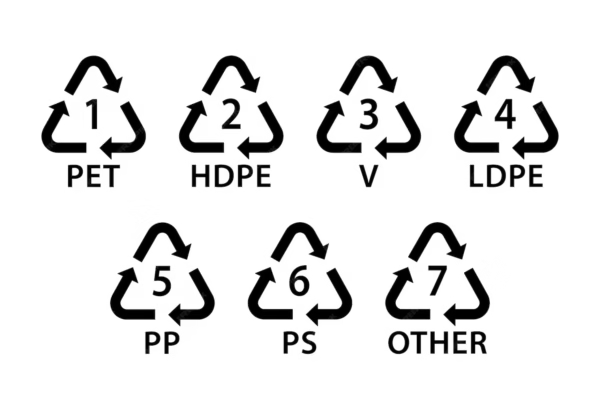
Have you ever wondered what the numbers on the bottom of food containers mean and how safe the plastic is? Well, here is the breakdown (most health experts agree on this list for health and safety reason – but there are a few health specialist that have their own opinions). The numbers on the bottom of plastic food and storage containers are “resin identification codes – RIC codes”. These codes identify what type of plastic the item is made from, and if it can be recycled (in your area) and whether it’s considered safe to use for food.
♻️ What each number means
- 1. PET or PETE — Polyethylene Terephthalate: Common in water bottles, soda bottles, and many food containers. Generally safe for single use. Widely recyclable. Can absorb odors and bacteria if reused.
- 2. HDPE — High-Density Polyethylene: Used for milk jugs, detergent bottles, and some food containers. Considered one of the safest plastics. Widely recyclable.
- 3. PVC — Polyvinyl Chloride: Found in pipes, some food wraps, and blister packaging. Contains chemicals that can leach. Not commonly recyclable; avoid for food use when possible.
- 4. LDPE — Low-Density Polyethylene: Used for grocery bags, bread bags, squeezable bottles. Safe for food. Sometimes recyclable, depending on local programs.
- 5. PP — Polypropylene: Found in yogurt cups, takeout containers, and many reusable food containers. Generally safe for hot foods and microwaving. Increasingly recyclable.
- 6. PS — Polystyrene (Styrofoam): Used for foam cups, takeout clamshells, and packing peanuts. Can leach styrene, especially when heated. Rarely recyclable; best to avoid for food.
- 7. Other/Mixed Plastics: Includes polycarbonate, bioplastics, and blends. Safety varies widely. Often not recyclable. Some types (like older polycarbonate) may leach BPA.
Why these codes matter. For recycling purposes as it helps to identify and sort. And for safety, as some plastics (especially 3, 6, and certain 7s) are more likely to release chemicals when heated or worn.
This article helps to determine which codes to use, how to use and why.
- 1, 2, 4, 5. Best for food.
- 3, 6, 7. Use sparingly for food.
- When in doubt, choose glass or stainless steel for storage.