Also included: A comparison of Manuka Honey, Acacia Honey and Raw Local Honey.
The Powerful Benefits of Manuka Honey:
Manuka honey has become one of the most talked‑about natural remedies thanks to its unusually high levels of MGO — the compound responsible for its strong antibacterial and healing properties. A spoonful a day can support your throat, your skin, and even your digestive system.
This article focuses on the unique benefits of Manuka honey, and also includes a quick comparison with Acacia honey and Raw Local honey to help you understand how they differ.
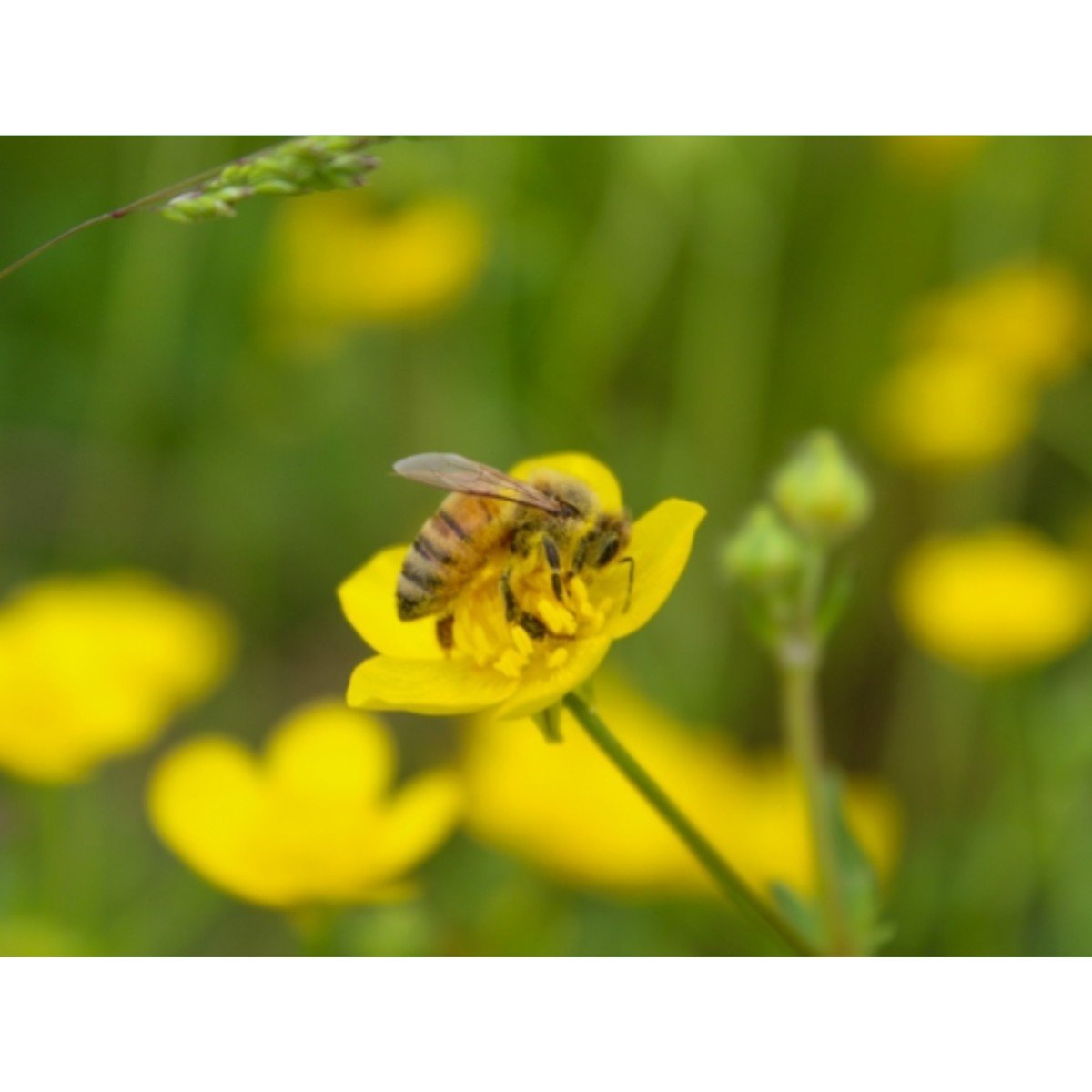
Manuka honey is different from regular honey because its MGO levels are stable and don’t break down with heat or light. This makes its healing power stronger and longer‑lasting. When choosing a jar, look for a UMF™ rating of 10+ or higher to ensure therapeutic strength.
Manuka honey is well known for soothing sore throats. A spoonful coats the throat, calms irritation, and helps reduce discomfort during colds or allergy season. Many people find it works better than over‑the‑counter syrups.
It also supports wound healing. Manuka honey is FDA‑approved for wound care because it keeps wounds clean, reduces inflammation, and encourages new tissue growth. It creates a protective, low‑pH environment that helps the skin repair itself.
Another unique benefit is its ability to soothe the stomach. Research suggests Manuka honey may help calm the stomach lining, reduce inflammation, and support healing of ulcers. Many people take a spoonful on an empty stomach for gentle digestive support.
Even though it’s sweet, Manuka honey can help with oral health. Its antimicrobial properties reduce harmful bacteria linked to plaque, gingivitis, and gum irritation.
Manuka honey is also a natural way to ease coughing. Studies show honey can be as effective — or even more effective — than common cough medicines for upper respiratory infections. Manuka’s antiviral and antibacterial qualities make it especially helpful during cold season.
On the skin, Manuka honey can calm acne, reduce redness, hydrate dry patches, and support healing. Its soothing nature makes it a favorite in natural skincare routines.
Using Manuka honey daily is simple. Take a teaspoon on its own, stir it into warm tea, add it to yogurt or oatmeal, or apply it to minor cuts or dry skin. A little goes a long way.
Manuka honey isn’t just a trendy ingredient — it’s a natural powerhouse backed by science. From soothing sore throats to supporting wound healing and digestive health, its benefits make it a smart addition to your daily routine.
Research and decide for yourself! It’s helped me reduce heartburn and a dry throat.
Which honey is “healthiest”?
It depends on what health benefit you care about most.
1. For antibacterial & wound‑healing power → Manuka honey wins
Manuka contains methylglyoxal (MGO), giving it potent antibacterial, antiviral, anti‑inflammatory, and antioxidant activity.
FDA‑approved for wound treatment
Helps with ulcers, sore throats, oral health, and acne
2. For everyday sweetening & blood‑sugar friendliness → Acacia honey wins
Acacia honey is very high in fructose, giving it:
A low glycemic index (~32)
Slow crystallization
Mild flavor
Good antioxidant content
It still raises blood sugar, but more slowly than most honeys.
3. For seasonal allergies, freshness & local enzymes → Raw local honey wins
Raw local honey contains:
Local pollens
Natural enzymes
Antioxidants
No heat processing
Many people use it for seasonal allergy support (evidence is mixed but widely reported anecdotally). Local honey is also the least processed and supports local beekeepers.
Here’s a quick side‑by‑side look at how each honey compares.
| Benefit | Acacia Honey | Manuka Honey | Raw Local Honey |
|---|---|---|---|
| Antibacterial strength | Mild (hydrogen‑peroxide based) | Very strong (MGO‑based) | Moderate (varies by pollen & nectar source) |
| Wound healing | Helpful but not clinically superior | Clinically validated; FDA‑approved | Helpful but not standardized |
| Digestive support | Gentle; low‑GI; antioxidant-rich | May help with ulcers & gut bacteria | Raw enzymes may support digestion |
| Allergy support | Not local → less helpful | Not local → less helpful | Best option (contains local pollens) |
| Flavor & use | Very mild, great for tea & baking | Strong, medicinal | Varies by region; usually floral |
| Cost | Affordable | Most expensive | Moderate |
So which should you choose?
Choose Manuka if you want:
Immune support
Wound‑healing or skin benefits
Strong antibacterial action
Help with ulcers or sore throats
Choose Acacia if you want:
A low‑glycemic honey
A mild flavor for daily use
A honey that stays liquid
Antioxidants without the strong taste
Choose Raw Local Honey if you want:
Allergy support
The freshest, least‑processed option
To support local beekeepers
A natural sweetener with local pollens
What Is Manuka Honey?
Manuka honey is a rare type of honey produced from the nectar of the mānuka tree (Leptospermum scoparium), which grows naturally in New Zealand and parts of southeastern Australia. What makes Manuka honey unique is its high concentration of methylglyoxal (MGO) — the compound responsible for its powerful antibacterial and healing properties. Because the mānuka plant grows in limited regions, authentic Manuka honey is carefully tested and graded, most commonly using the UMF™ or MGO rating systems. This ensures its potency, purity, and therapeutic strength.
What Is Acacia Honey?
Acacia honey comes from the nectar of the black locust tree (also called the false acacia). It’s known for its very light color, delicate floral flavor, and exceptionally smooth texture. One of its most unique qualities is that it stays liquid much longer than most honeys because it’s naturally high in fructose. This makes it a favorite in European markets, especially Italian shops, where it’s often paired with nuts, cheeses, and pastries.
Acacia honey is also lower on the glycemic index than many other honeys, making it a gentle option for everyday sweetening. Its mild taste and slow crystallization are why you’ll often find it sold with almonds or hazelnuts suspended in the jar — a traditional Italian treat that’s as beautiful as it is delicious.
What Is Raw Local Honey?
Raw local honey is honey that comes from nearby beekeepers and is bottled with minimal processing. Unlike commercial honey, it isn’t heated or filtered heavily, so it retains its natural enzymes, antioxidants, pollen, and subtle floral flavors from the plants in your region. Because it contains traces of local pollen, many people use it during allergy season, believing it may help the body adjust to local allergens.
Every jar of raw local honey is a little different — its color, flavor, and aroma change with the flowers the bees visit. This makes it one of the freshest and most authentic forms of honey you can buy. Choosing raw local honey also supports small beekeepers and helps maintain healthy pollinator populations in your area.
Understanding UMF™ and MGO Ratings
Manuka honey is graded using two main systems: MGO and UMF™. These ratings help you understand the honey’s strength, purity, and authenticity.
MGO (Methylglyoxal): MGO is the key antibacterial compound that makes Manuka honey so powerful. The number on the label — such as MGO 100+, 250+, or 400+ — tells you how much MGO is present. Higher numbers mean stronger antibacterial activity and greater therapeutic benefits.
UMF™ (Unique Manuka Factor): UMF™ is a quality certification developed in New Zealand. It measures MGO along with two other natural markers, DHA and Leptosperin, to confirm that the honey is genuine, unadulterated Manuka. UMF™ ratings typically range from 5+ to 20+, with higher numbers indicating greater potency and purity.
Together, UMF™ and MGO give you a clear picture of the honey’s strength and authenticity, helping you choose the right grade for your needs.
UMF is basically the “official” grading system. MGO is the scientific measurement of the active ingredient.
Both matter — but MGO is the number that tells you how strong the honey actually is.
No matter which honey you choose, each brings its own natural goodness to your table.