Cyclospora & Cyclosporiasis:
Just when you think you’ve learned all the things to watch out for in the produce aisle, something new pops up. I had never heard of Cyclospora before, yet here it is — joining last year’s mini‑cucumber recall and the bagged‑lettuce bacteria scare. Now this tiny parasite is making headlines in Pennsylvania and reminding us that even “healthy” foods sometimes come with hidden risks.
Pennsylvania is seeing a rise in infections from Cyclospora, a microscopic parasite that spreads through contaminated food or water. Health officials across the state — including reports highlighted by WTAE in Pittsburgh — say cases have increased this summer, matching a nationwide trend.
Cyclospora causes an intestinal illness called cyclosporiasis, and while it’s treatable, it can make people miserable for weeks if not addressed. The parasite isn’t spread person‑to‑person. Instead, people get sick after eating produce that was contaminated before it reached the store or restaurant.
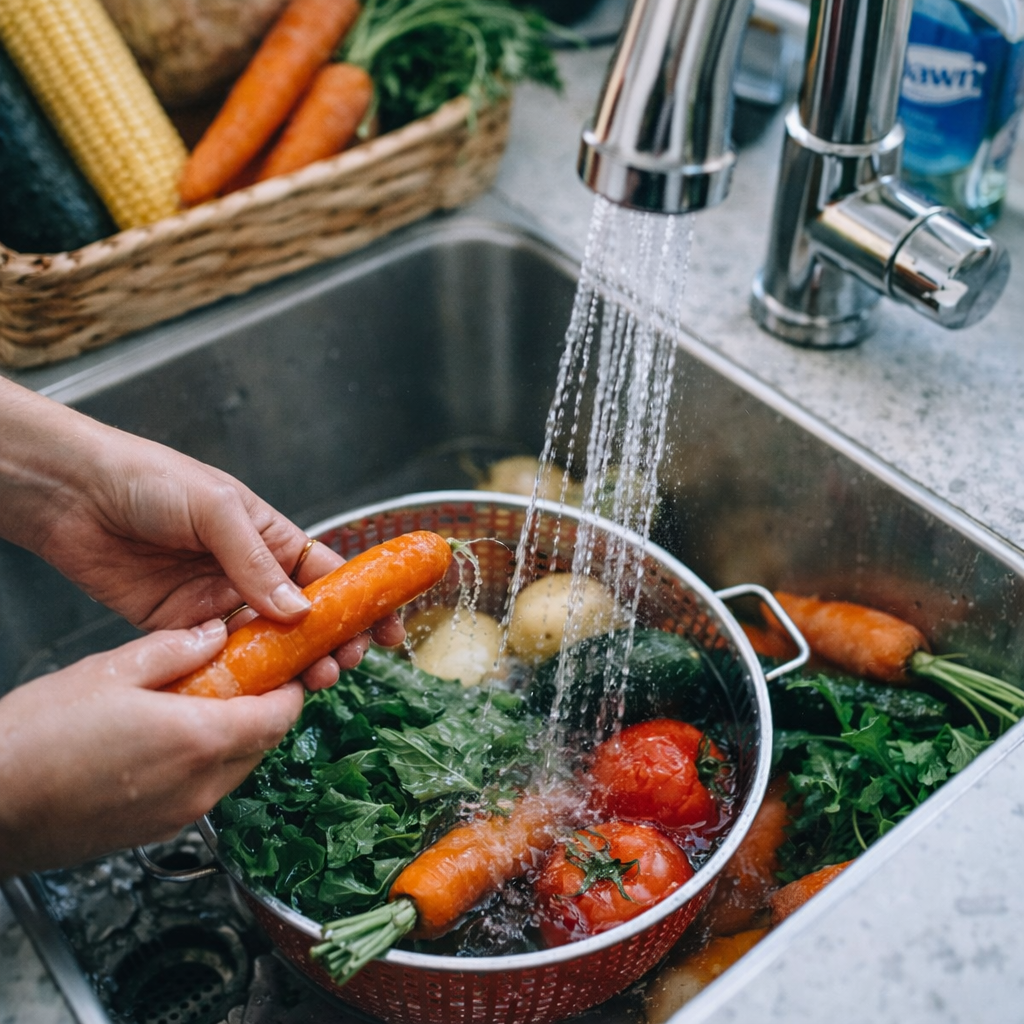
I’ve gotten into the habit of rinsing all my produce and drying with paper towels – berries, lettuce, even my tangelos before I peel them. It only takes a few seconds, and with all these produce‑related issues popping up lately, it feels like a small step that’s worth doing.
What foods are most often linked?
Cyclospora outbreaks in the U.S. have historically been connected to:
Fresh herbs like cilantro and basil
Leafy greens and salad mixes
Berries, especially raspberries and blueberries
Other raw produce that’s eaten without cooking
Symptoms to watch for:
Cyclospora infections usually begin 1–2 weeks after exposure. Common symptoms include:
Watery diarrhea
Stomach cramps
Bloating
Nausea
Fatigue
How to protect yourself:
Wash all fresh produce under running water
Use a clean colander for leafy greens
Refrigerate produce promptly
Avoid cross‑contamination
Choose reputable sources for berries, herbs, and salad mixes
The Bottom Line:
Cyclospora isn’t new, but Pennsylvania is seeing more cases this season. Staying aware, washing produce, and recognizing symptoms early can make a big difference. Fresh fruits and vegetables are still safe to enjoy — they just deserve a little extra attention right now.